
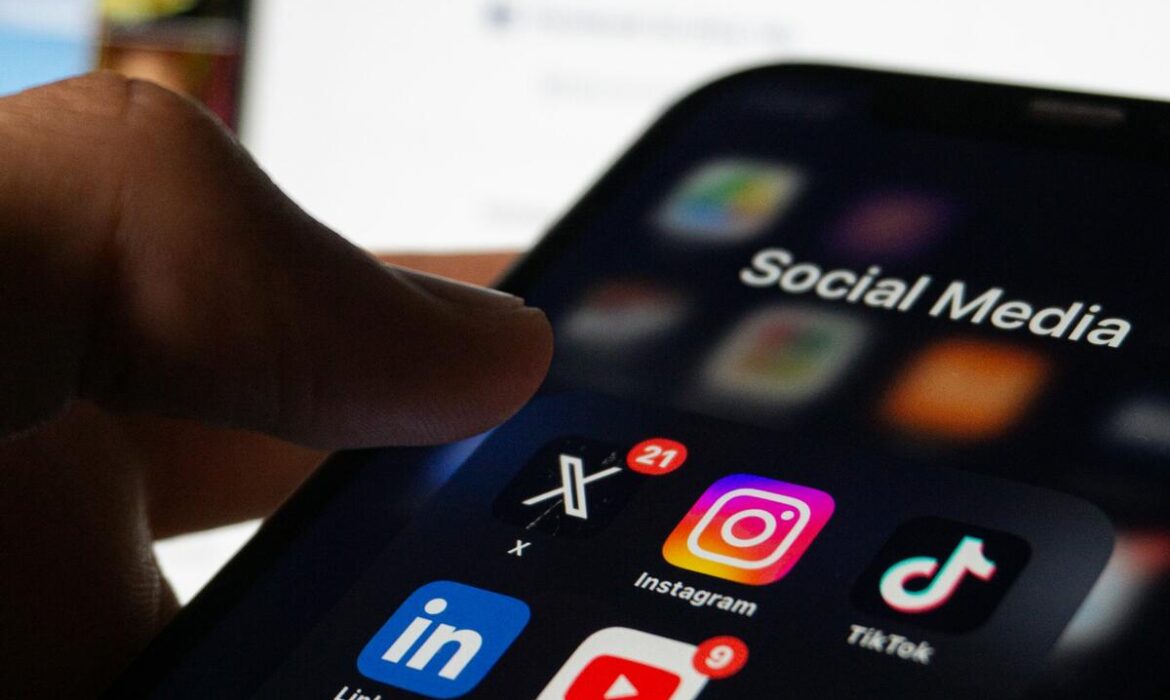
There’s a particular kind of social media advice that sounds sensible until you think about what it actually requires: be everywhere. Facebook, Instagram, LinkedIn, TikTok, YouTube, Pinterest, X — if your business can have a profile there, why wouldn’t you? More profiles mean more opportunities to be found, after all. The problem is that your business doesn’t become more visible simply by opening another account. You’ve also created another place that needs something worth saying, and that changes the question from “Where can we post?” to “Where is it actually worth being?”
An Account Is Easy. A Useful Presence Isn’t.
Creating a business profile takes very little effort. Building one that gives people a reason to follow it is another matter. A neglected page can look worse than no page at all: old promotions, unanswered comments, months between posts or content that clearly gets copied from somewhere else. It can leave a potential customer wondering whether the business is still active. Being present on a platform only has value if there’s enough activity and relevance behind that presence to make it useful.
Your Business Doesn’t Have One Audience Called “Social Media”
This is where the idea of posting everywhere starts to fall apart. The people who follow your business on Facebook aren’t necessarily there for the same reason as someone who connects with you on LinkedIn. Someone watching a short video may be interested in something completely different from someone reading a detailed post about your services. Treating all of these people as one audience makes it tempting to publish the same message everywhere, even when the context has changed completely.
The Same Post Can Mean Something Different Depending on Where It Appears
Imagine a business sharing a photograph of a completed project. On one platform, it might work because people enjoy seeing the finished result. On another, the more interesting part might be the problem the project solved or the expertise involved. On another, the photograph might barely give anyone a reason to stop scrolling. The platform isn’t just a different place to upload the same content. It changes what people expect from the content in the first place.
More Platforms Can Mean Less to Say
This is the part businesses often overlook. If you have enough genuinely useful material to maintain three platforms, splitting that material across six doesn’t magically create three more streams of good content. It can do the opposite. You start looking for something — anything — to post, and the quality drops because the calendar has become more important than the reason for publishing. Eventually, social media becomes a process of filling spaces rather than communicating with potential customers.
But What If Customers Use Different Platforms?
They probably do. That doesn’t mean your business has to treat every platform equally. A customer might discover you in one place, check your website somewhere else and contact you through another channel entirely. Social media can also play different roles at different stages: one platform may be useful for showing what you do, another for demonstrating expertise, and another for keeping existing customers engaged. The point isn’t to choose one platform forever. It’s to understand what each one is actually
contributing.
Look at What People Do, Not Just Where They Are
Follower counts make comparison tempting because they’re easy to see. But a platform with 5,000 followers isn’t automatically more useful than one with 800. What matters is what those people do. Do they visit your website? Ask questions? Share your content with people who might need your services? Send an enquiry? Remember your business when they eventually need what you offer? Social media becomes much easier to evaluate when you stop treating audience size as the end result.
Some Platforms May Have a Job Even If They Don’t Bring Direct Enquiries
Not every useful interaction ends with a contact form. A potential customer may check a business’s social media before deciding whether it looks established, active or relevant. Someone may never interact with a post but still recognise the business when they encounter it elsewhere. That doesn’t mean every platform should be kept alive regardless of results. It means the role of a platform isn’t always captured by a single “How many leads did this generate?” figure.
So, Should You Be Everywhere?
Not necessarily. A better approach is to decide what you want social media to do for the business and then choose the platforms where that job makes sense. If a platform gives you access to the right people, suits the way you communicate and can be maintained properly, it has a reason to exist. If you’re only there because every other business seems to be there, that’s a much weaker reason.
The strongest social media presence isn’t necessarily the one with the most accounts. It’s the one where the business has something worthwhile to contribute, the people seeing it have a reason to care and the effort involved makes sense for the business. Sometimes that means being active in several places. Sometimes it means doing fewer things properly instead of trying to make the same business fit into every feed.

