


Imagine waking up one morning and your phone suddenly has no signal. You restart it, check your settings, and still nothing works. At first it seems like a simple network problem. A few hours later, however, your bank account is empty and your email password has changed. Situations like this often begin from SIM swap fraud, one of the fastest growing phone scams today.
When Your Phone Number Stops Belonging to You
Your mobile number is connected to more accounts than most people realise. Banks send login codes to it. Email services use it for verification. Even social media platforms rely on it to confirm identity.
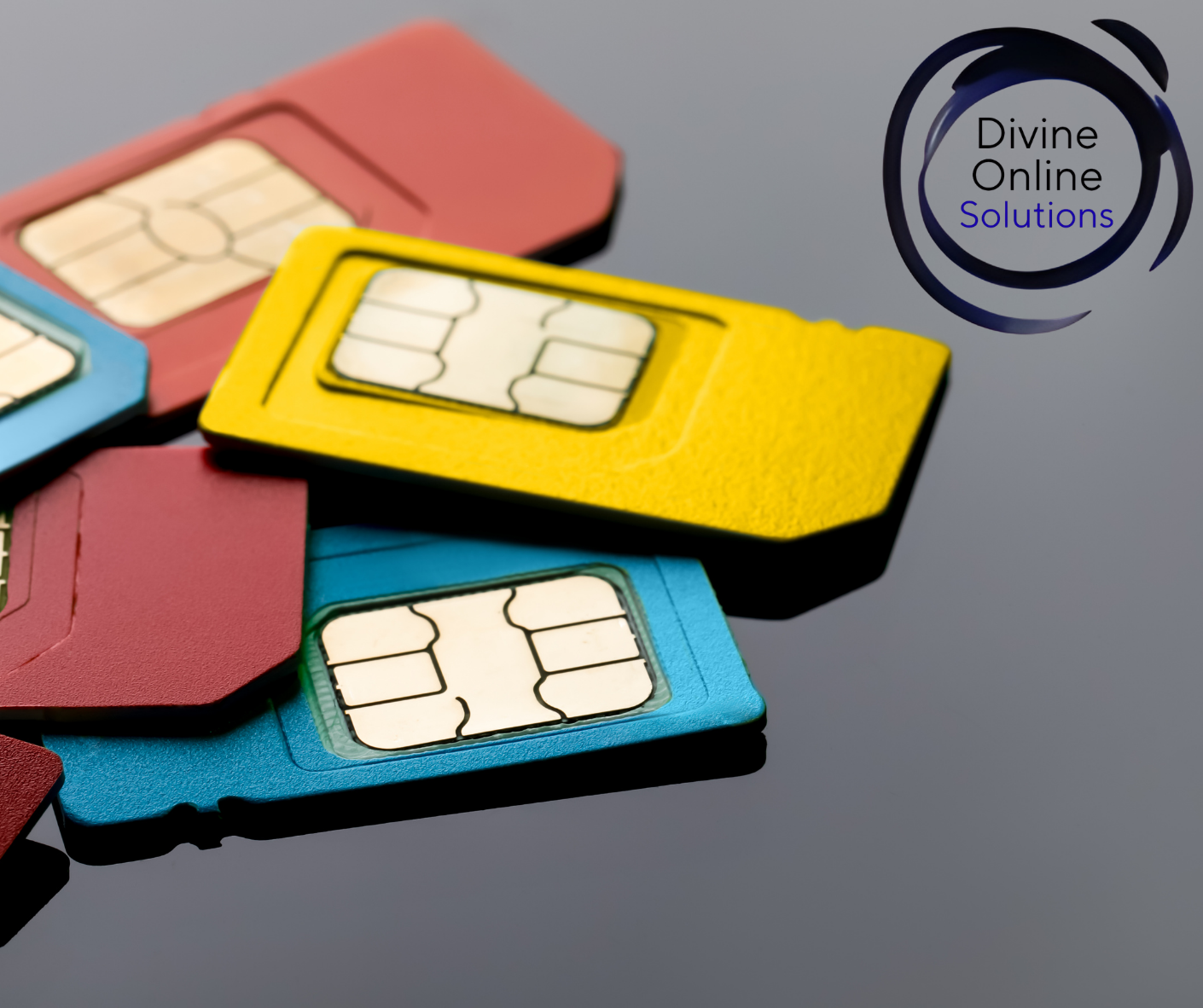
SIM swap fraud targets that connection. Criminals collect personal information about a victim first. They might use leaked databases, phishing messages, or details shared online.
After that, the scammer contacts the mobile provider and pretends to be the account holder. If the request succeeds, the phone number gets transferred to a new SIM card. Suddenly the victim’s phone stops working.
The criminal now receives every call and text meant for the victim. Security codes and password reset links arrive directly on the scammer’s device. From there, breaking into accounts becomes much easier.
The Growing Threat of Voice Phishing
Not every attack starts with a SIM swap. Many scams begin with a simple phone call.
Voice phishing, also called vishing, involves criminals pretending to represent trusted organisations. The caller may claim to work for a bank, delivery company, or service provider.
The conversation usually sounds urgent. The caller might warn about suspicious activity or request confirmation of account details. In that moment, many people provide information they normally would not share.
Scammers also use caller ID spoofing to make the call appear legitimate. The number on the screen may even match the official number of a real company.
Why Phone Scams Are Increasing
Smartphones now hold a huge amount of personal information. One device connects to banking apps, email accounts, payment services, and social platforms.
Because of this, criminals focus on the phone itself. If they control the number, they can intercept security messages and reset passwords. Some scams therefore combine vishing calls with techniques taken from SIM swap fraud to take over accounts quickly.
At the same time, large data breaches have made personal information easier to obtain. Small details such as birth dates or addresses help scammers convince companies that they are the real account holder.
Staying One Step Ahead of Scammers
Protecting yourself starts with awareness. Unexpected calls asking for personal information should always raise suspicion.
If someone claims to represent a bank or service provider, it is safer to end the call and contact the company directly. Using official numbers from the company website reduces the risk of speaking to a scammer.
Mobile providers also offer extra security options for SIM accounts. Adding a PIN or password makes it much harder for criminals to transfer a number without permission.
Conclusion
Phone scams continue to evolve as criminals search for new ways to access personal accounts. SIM swaps and voice phishing have become powerful tools for identity theft and financial fraud. Recognising how these scams operate gives people a better chance of stopping them before real damage occurs.
#DivineOnlineSolutions #FinancialFraud #IdentityFraud #PhoneScams #SimSwapScams